

Self-Adhesive Materials: Technical Guide, Applications, and Industry Innovation
Understanding Self-Adhesive Material Composition
Self-adhesive materials are engineered laminates consisting of multiple functional layers, each serving a specific purpose in the final product's performance. The typical structure includes four primary components that work in concert to deliver reliable adhesion and functionality.
Layer 1: Face Stock
The face stock is the top visible layer that carries printed graphics, product information, and branding elements. This layer must balance printability with durability. Common face stock materials include:
- Coated Papers: Glossy or matte coatings enhance ink adhesion and provide premium appearance
- Film Materials: Polyethylene (PE), polypropylene (PP), and polyethylene terephthalate (PET) offer superior moisture and chemical resistance
- Specialty Materials: Metallic finishes, textured surfaces, and transparent films for decorative applications
Layer 2: Pressure-Sensitive Adhesive (PSA)
The adhesive layer is the functional heart of self-adhesive materials. PSA technology represents a sophisticated balance of chemistry and physics, requiring the adhesive to be:
- Initially tacky – providing immediate adhesion upon light pressure
- Permanently bonding – achieving strong and lasting attachment to the substrate
- Removable (in some applications) – allowing repositioning or removal without surface damage
PSA Chemistry Considerations
Modern PSA formulations typically employ synthetic rubber, acrylic polymers, or silicone-based systems. Each chemistry offers distinct advantages: rubber-based adhesives provide cost-effectiveness and good initial tack, acrylic adhesives offer superior aging resistance and humidity tolerance, while silicone-based systems deliver exceptional temperature stability and non-residue properties.
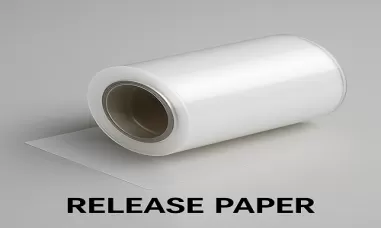
Layer 3: Release Coating
The release coating facilitates clean separation of the label from the backing material. Two primary technologies dominate the market:
- Silicone-Based Release: Provides consistent, long-term release performance with predictable peel characteristics. Widely used in industrial and pharmaceutical applications.
- Non-Silicone Release: Increasingly popular for sustainability and cost reasons. Acrylic or water-based release coatings are compatible with recycling streams.
Layer 4: Backing Material
The backing serves as the carrier layer, providing structural support during manufacturing, printing, and label application. Common backing materials include kraft paper, clay-coated papers, and plastic films. The choice impacts cost, printability, and environmental footprint.
Technical Properties and Performance Standards
Self-adhesive materials must meet stringent technical specifications to perform reliably across diverse applications. Understanding these properties is essential for selecting appropriate materials for specific end-use requirements.
Adhesion Strength and Tack
Adhesion performance is characterized by two distinct measurements that work together to define overall performance:
- Tack: The force required to initiate adhesion. Measured as the adhesive force immediately after light pressure application, tack determines the ease of label application.
- Peel Strength: The force required to remove the label after application. Typically measured in newtons per 25 millimeters (N/25mm), peel strength varies by substrate type and application requirements.
| Application Type | Typical Peel Strength (N/25mm) | Temperature Range | Key Requirements |
|---|---|---|---|
| Removable Labels | 1.5 - 3.0 | -10°C to 40°C | Clean removal, no residue |
| Food Packaging | 3.0 - 5.0 | -5°C to 25°C | Food-grade, moisture resistant |
| Pharmaceutical Labels | 4.0 - 6.0 | 15°C to 30°C | Tamper-evident, chemical resistant |
| Industrial/Warehouse | 5.0 - 8.0 | -20°C to 50°C | Extreme durability, UV resistance |
| Freezer/Cold Chain | 4.0 - 7.0 | -30°C to 10°C | Low-temperature adhesion, moisture proof |
Environmental Resistance Properties
Self-adhesive materials encounter diverse environmental conditions throughout their lifecycle. Key resistance properties include:
Environmental Performance Metrics
- Moisture Resistance: Labels must maintain adhesion and structural integrity when exposed to humidity levels of 95% or higher. Polyester-based face stocks generally outperform paper for moisture-prone environments.
- UV Stability: Outdoor applications require resistance to ultraviolet radiation. Modern formulations incorporate UV absorbers to prevent fading and material degradation.
- Chemical Resistance: Industrial applications demand tolerance to oils, solvents, and aggressive cleaning agents. Synthetic face stocks provide superior chemical resistance compared to paper alternatives.
- Thermal Stability: Temperature fluctuations can compromise adhesion. Quality self-adhesive materials maintain performance across specified temperature ranges without tackiness loss or embrittlement.
Dimensional Stability
Dimensional stability ensures that labels maintain consistent size and shape throughout manufacturing, storage, and application. This property becomes critical in automated labeling systems where precision is paramount. Face stock materials with low moisture absorption and minimal thermal expansion coefficients are preferred for high-speed application environments.
Explore Advanced Solutions: Zhejiang Wanbaolong offers specialized durable film series products engineered for extreme environmental conditions, providing superior dimensional stability and long-term performance in challenging applications.
Diverse Applications Across Industries
Self-adhesive materials have become indispensable across virtually every industrial sector. Their versatility stems from the ability to customize composition, adhesion properties, and visual characteristics for specific application demands.
Food and Beverage Industry
The food sector represents the largest application segment for self-adhesive materials. Labels on food products must comply with stringent food safety regulations while providing attractive presentation and essential information. Key requirements include:
- Food-grade adhesives meeting FDA and EU regulations
- Excellent moisture and oil resistance
- Clarity for transparent window labels showing product contents
- Compatibility with hot-fill applications and rapid cooling
Zhejiang Wanbaolong produces specialized paper series products specifically designed for food packaging applications, combining regulatory compliance with premium visual presentation.
Pharmaceutical and Healthcare
Pharmaceutical labels demand the highest standards of precision, durability, and regulatory compliance. Applications include:
- Primary packaging labels directly on bottles and containers
- Variable information printing for dosage, batch numbers, and expiration dates
- Tamper-evident label designs that indicate unauthorized opening
- Chemical resistance to sterilizing agents and storage conditions
Specialized Services: WBL's variable information printing capabilities enable pharmaceutical manufacturers to produce compliant labels with individualized data for each unit.
Logistics and Warehouse Management
Industrial labeling for shipping, tracking, and inventory management represents another massive application segment. These labels require:
- Extreme adhesion strength for long-term durability
- Readability after months of exposure to temperature and humidity variations
- Barcode and QR code compatibility with scanning systems
- Ability to withstand handling throughout the supply chain
Consumer Electronics and Technology
Electronics manufacturers utilize self-adhesive labels for branding, compliance markings, and decorative elements. These applications demand:
- Exceptional dimensional stability to maintain precise positioning
- Compatibility with modern manufacturing equipment
- Aesthetic appeal contributing to premium product perception
- Electrostatic discharge (ESD) safe properties in sensitive applications
Retail and Commercial Labeling
Point-of-sale labels for price, promotion, and product information remain ubiquitous in retail environments. Contemporary retail demands include:
- Cost-effectiveness for high-volume production
- Easy removal for price changes and promotions
- Eye-catching designs and finishes
- Integration with electronic shelf label (ESL) systems
Material Types and Specifications
The diversity of self-adhesive material options allows manufacturers to optimize cost, performance, and sustainability for specific applications. Understanding the characteristics of different material categories is essential for informed material selection.
Polymer Film-Based Materials
Synthetic film materials have emerged as the fastest-growing segment in self-adhesive labels, driven by superior performance characteristics and extended shelf life.
Polyethylene Terephthalate (PET)
PET films offer exceptional clarity, durability, and chemical resistance. These materials excel in applications requiring transparency, thermal stability, and extended outdoor performance. PET-based labels maintain color vibrancy and dimensional stability across wide temperature ranges, making them ideal for automotive, appliance, and outdoor product labeling.
Polypropylene (PP)
PP provides excellent moisture resistance, superior cost-efficiency compared to PET, and good compatibility with printing systems. White and metallic PP variants offer aesthetic versatility. These materials are particularly suitable for food labeling, where moisture exposure is common and cost sensitivity is pronounced.
Polyvinyl Chloride (PVC)
PVC delivers premium durability and exceptional flexibility, making it ideal for complex contoured surfaces and applications requiring conformability. The material exhibits outstanding adhesion to diverse substrates and excellent resistance to outdoor weathering. However, environmental concerns have prompted many manufacturers to develop PVC alternatives using other polymer systems.
Explore WBL's comprehensive product portfolio including specialized PVC materials and advanced film solutions.
Paper-Based Materials
Traditional paper remains the most widely utilized face stock material, driven by cost-effectiveness, printability, and recyclability. Specialized paper formulations address specific application requirements:
- Coated Papers: Gloss, matte, and semi-gloss finishes with surface treatments optimizing ink transfer and visual appearance
- Kraft Papers: Economical options for industrial applications prioritizing functionality over aesthetics
- Specialty Papers: Textured, colored, and thermally-treated papers delivering unique visual and functional properties
Hybrid and Composite Materials
Modern material science has enabled innovative combinations of paper and film components, delivering superior performance characteristics. Multi-layer constructions can optimize specific properties—for example, combining a paper face stock for printability with a polyester backing layer for durability, creating solutions tailored to precise application requirements.
Technical Challenges and Solutions
Despite decades of technical refinement, self-adhesive material manufacturers continue to encounter and overcome complex challenges in material performance, processability, and regulatory compliance.
Adhesion Consistency and Variability
Maintaining uniform adhesion across production runs remains a persistent technical challenge. Variables affecting consistency include:
- Ambient temperature and humidity fluctuations affecting adhesive properties
- Substrate surface variations influencing adhesive wetting and molecular contact
- Raw material property variations despite supplier specifications
Solutions Implemented: Modern manufacturers employ sophisticated environmental controls, real-time adhesion monitoring systems, and advanced quality assurance protocols to maintain consistency within ±5% specifications.
Temperature and Humidity Sensitivity
Self-adhesive materials exhibit temperature and humidity-dependent behavior that can compromise performance in extreme environments:
Advanced Solutions: Manufacturers now utilize:
- Cross-linked acrylic polymers maintaining stable adhesion across extended temperature ranges
- Moisture-barrier coatings preventing humidity-induced dimensional changes
- Thermal stabilizers and plasticizers optimizing low-temperature flexibility
- Advanced release coating technologies with temperature-independent properties
Surface Compatibility Challenges
Different substrate materials (plastic, metal, coated, uncoated) present distinct adhesion challenges. Low-energy plastic surfaces and powder-coated metals require specialized adhesive formulations or surface pretreatment to achieve reliable bonding.
Technical Solution: Adhesive Primer Systems
Advanced primers enhance adhesion to difficult substrates by modifying surface chemistry. These systems create chemical bridges between the adhesive and substrate, dramatically improving performance on challenging surfaces. However, primer systems add cost and process complexity, requiring careful cost-benefit analysis.
Environmental Regulatory Compliance
Evolving environmental regulations impose escalating demands on material composition and manufacturing processes:
- Restriction of certain adhesive components (e.g., BPA, phthalates) in food-contact applications
- Heavy metal limits in pigments and colorants
- Migration limits for specific substances contacting foodstuffs
- Sustainability requirements for end-of-life material management
Zhejiang Wanbaolong maintains compliance with international regulatory standards including FDA, EU, and RoHS requirements across its product portfolio.
Manufacturing Efficiency and Waste Reduction
Modern self-adhesive material production involves complex lamination, coating, and conversion processes where slight deviations can generate substantial waste. Advanced process control systems, predictive maintenance algorithms, and lean manufacturing principles have progressively reduced waste rates to under 2% in leading facilities.
Industry Innovations and Future Trends
The self-adhesive materials industry continues to evolve rapidly, driven by emerging technologies, sustainability imperatives, and novel application requirements. Several transformative trends are reshaping the sector.
Advanced Adhesive Chemistries
Next-generation adhesive formulations are delivering unprecedented performance capabilities:
- Thermochromic Adhesives: Color-changing properties responding to temperature fluctuations, enabling innovative anti-counterfeit applications and temperature-sensitive tracking
- Photochromic Systems: Light-responsive adhesives creating interactive label experiences and security features
- Biocompatible Adhesives: Medical-grade formulations for transdermal applications and biomedical device labeling
- Moisture-Activated Adhesives: Wet-tack properties activated upon application, improving automated handling efficiency
Smart and Intelligent Labels
Integration of self-adhesive materials with intelligent technologies creates multifunctional labels:
- NFC and RFID Integration: Embedded wireless communication enabling product authentication, supply chain tracking, and consumer engagement
- QR Code Optimization: Enhanced label design accommodating scannable codes within aesthetic frameworks
- Temperature-Time Indicators: Visual indicators showing cumulative temperature exposure for time-sensitive products
- Freshness Indicators: Chemical-responsive systems visualizing product freshness status
Sustainability-Driven Innovation
Environmental consciousness is fundamentally reshaping material development priorities:
Bio-Based and Recyclable Solutions
Manufacturers increasingly incorporate renewable resources and biodegradable polymers into self-adhesive formulations. Non-silicone release coatings derived from plant-based sources reduce environmental impact while maintaining performance. Mono-material face stocks and backing combinations facilitate post-consumer recycling, addressing circular economy requirements.
- Plant-Based Adhesives: Formulations derived from natural sources like corn and sugarcane, reducing petrochemical dependency
- Compostable Materials: Face stocks and adhesives meeting industrial composting standards for applications supporting circular economy models
- Water-Based Release Systems: Eliminating problematic fluorinated compounds, improving manufacturing environmental footprint
- Recycled Content Integration: Backing materials and face stocks incorporating post-consumer recycled materials
Ultra-Thin and Minimalist Designs
Sustainability trends drive development of thinner material formulations reducing raw material consumption and packaging waste. Advanced adhesive technologies enable thickness reduction while maintaining performance—some formulations now achieving functionality with 40% less material compared to legacy products.
Digital Printing Integration
The convergence of digital printing technologies with self-adhesive materials enables new business models:
- Short-run and on-demand label production reducing inventory requirements
- Customization at unprecedented scales supporting personalization trends
- Variable data printing integrated seamlessly into aesthetic label designs
- Cost-effective production of limited-edition and promotional labels
WBL's variable information printing capabilities exemplify this integration, enabling manufacturers to combine digital precision with traditional label aesthetics.
Nanotechnology Applications
Nanotechnology research promises revolutionary advances in self-adhesive materials:
- Nanoparticle Additives: Enhanced UV protection, improved thermal conductivity, and superior barrier properties
- Graphene Integration: Exceptional strength and conductivity properties for advanced applications
- Nanostructured Release Coatings: Optimized surface architectures reducing friction and improving release consistency
Sustainability Considerations and Environmental Impact
As environmental consciousness deepens globally, self-adhesive material manufacturers must address sustainability across the entire product lifecycle—from raw material sourcing through manufacturing, use, and end-of-life management.
Material Sourcing and Supply Chain
Sustainable sourcing begins with responsible procurement of raw materials. Leading manufacturers implement:
- Partnerships with certified sustainable forestry operations for pulp and paper feedstock
- Selection of adhesive suppliers utilizing renewable energy sources
- Supply chain transparency initiatives providing traceability and impact assessment
- Consolidation of supplier relationships reducing transportation emissions
Manufacturing Energy Efficiency
Production facilities are implementing sophisticated energy management systems:
Energy Optimization Strategies
- Process Automation: Precision equipment control reducing energy waste and improving throughput
- Waste Heat Recovery: Capturing thermal energy from production processes for facility heating and water heating
- LED Lighting Systems: Reducing electrical consumption across manufacturing and office facilities
- Renewable Energy Integration: Solar and wind installations offsetting operational energy consumption
Water Usage and Wastewater Management
Manufacturing self-adhesive materials involves water-intensive processes requiring comprehensive management:
- Closed-loop water recycling systems minimizing freshwater consumption
- Advanced wastewater treatment technologies removing adhesive residues and coating materials
- Process optimization reducing per-unit water requirements
- Rainwater harvesting for non-critical water applications
End-of-Life Product Management
Designing for circularity requires careful consideration of post-use scenarios:
- Recyclability Design: Mono-material constructions and compatible adhesive-substrate pairs facilitate mechanical recycling
- Biodegradability Options: Compostable formulations for applications supporting organic waste streams
- Recycled Content: Incorporating post-consumer recycled materials creates markets for recycled outputs
- Design for Disassembly: Minimizing multi-material compositions that complicate end-of-life processing
Corporate Sustainability Initiatives
Forward-thinking manufacturers establish comprehensive sustainability programs addressing environmental impact holistically. Zhejiang Wanbaolong's commitment to advanced production technologies and continuous improvement reflects the industry's recognition that long-term viability depends upon environmental stewardship and sustainable practices.
Company Sustainability: Learn more about WBL's operational excellence and quality commitment through their factory information and global operations spanning over 50 countries and regions.
Conclusion
Self-adhesive materials represent a sophisticated convergence of polymer chemistry, material science, and engineering innovation. From their fundamental composition through advanced technical properties, diverse applications, and emerging innovations, these materials have become indispensable to modern commerce, manufacturing, and consumer goods industries.
The trajectory of self-adhesive material development increasingly emphasizes sustainability, performance optimization, and smart functionality. Manufacturers investing in advanced technologies, sustainable practices, and continuous innovation position themselves advantageously for emerging market opportunities while addressing evolving environmental and regulatory requirements.
As industries continue to demand enhanced performance, greater sustainability, and intelligent functionality, self-adhesive materials will undoubtedly play expanding roles in next-generation applications—from smart packaging systems to advanced medical devices to sustainable circular economy solutions.
For organizations seeking reliable, high-quality self-adhesive material solutions tailored to specific application requirements, partnering with experienced manufacturers offering comprehensive technical support and innovative product development capabilities becomes essential for competitive success.